
The Neighborhood's Changing Order
The Heart of a DogThis subplot follows changes in the apartment building and its institutions, from the loss of old household customs to conflicts over space and authority.
increasing Bearing strength in each event
 decreasing
Bearing strength in each eventdecreasingA Lost Rack of Galoshes
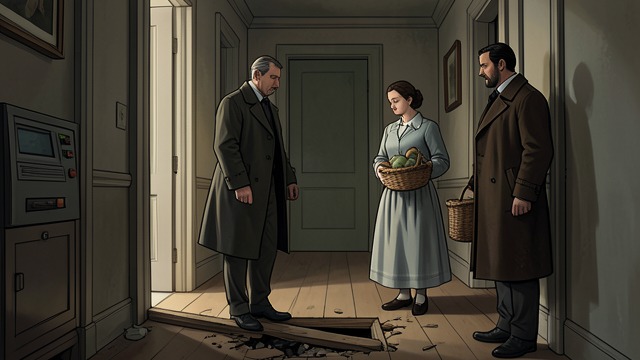
A Household Remembers
Before and After
Professor Preobrazhensky recalls that galoshes and other belongings once remained safe in the building. After the 1917 revolution, they disappeared and ordinary shared customs deteriorated.
Concrete Signs
The missing carpet, broken routines, and declining maintenance give his account physical detail. The professor reads everyday disorder as evidence of a wider change in habits and responsibility.
New Tenants Arrive
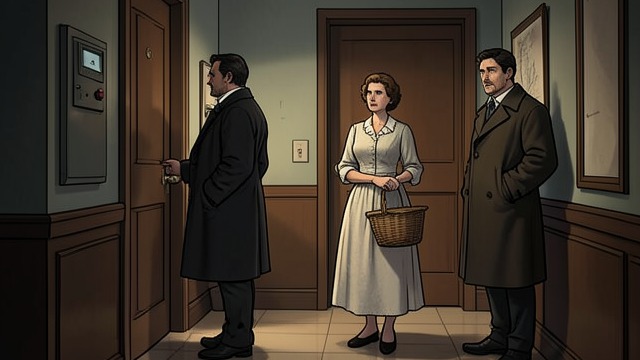
A Building Reorganized
Occupancy Increases
The porter tells Professor Preobrazhensky that additional tenants have moved into another apartment. Partitions and crowding alter the building's established arrangements.
A Coming Dispute
The professor fears for the house's infrastructure and privacy. The report foreshadows the committee's demand that he surrender rooms of his own.
A New Committee
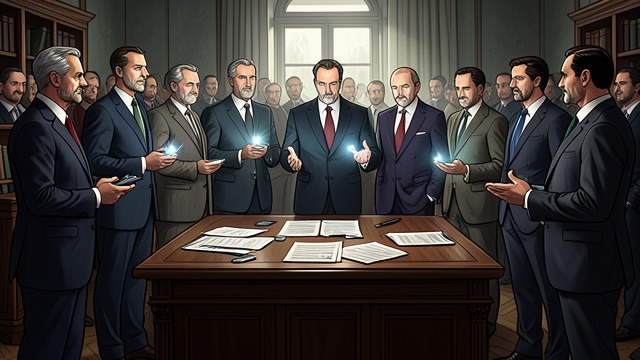
Local Authority Changes Hands
The Committee's Claim
Shvonder and his associates introduce themselves as the new house management committee. They invoke a general meeting and a mandate to increase occupancy.
Competing Legitimacy
The committee's collective authority meets the professor's claim to a legal exemption and professional need. Their encounter turns housing policy into a direct struggle over who controls domestic space.
Sharikov Enters the Register

A New Tenant on Paper
Registration Obtained
Sharikov secures identity documents and claims a share of the apartment's living space. The committee's administrative support gives him a position inside the building's political order.
A Precedent Reversed
The professor's earlier defense of his rooms now collides with an occupant his own experiment produced. The building's rules become instruments in a personal crisis.
Order Reasserted, Not Explained

The Committee Witnesses the Result
A Confounding Return
Sharik appears as a dog when the police investigate Sharikov's disappearance. The committee's earlier political sponsorship cannot explain this reversal.
Persistent Ambiguity
Professor Preobrazhensky calls the case unsuccessful humanization and invokes atavism. The building's institutional conflict subsides, but no public account makes its extraordinary history ordinary.
After March 1917
Before Sharik enters the apartment
The evening of the first committee visit
After the first weeks of humanization
At the final police visit
